
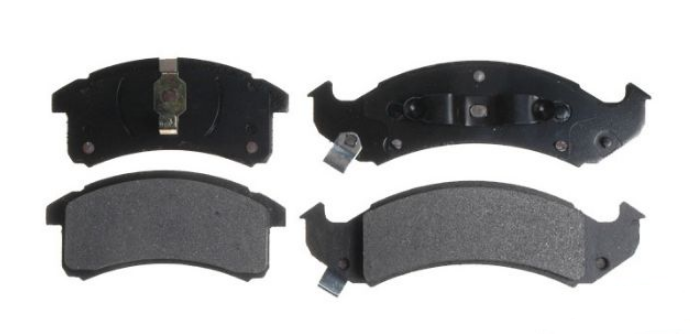
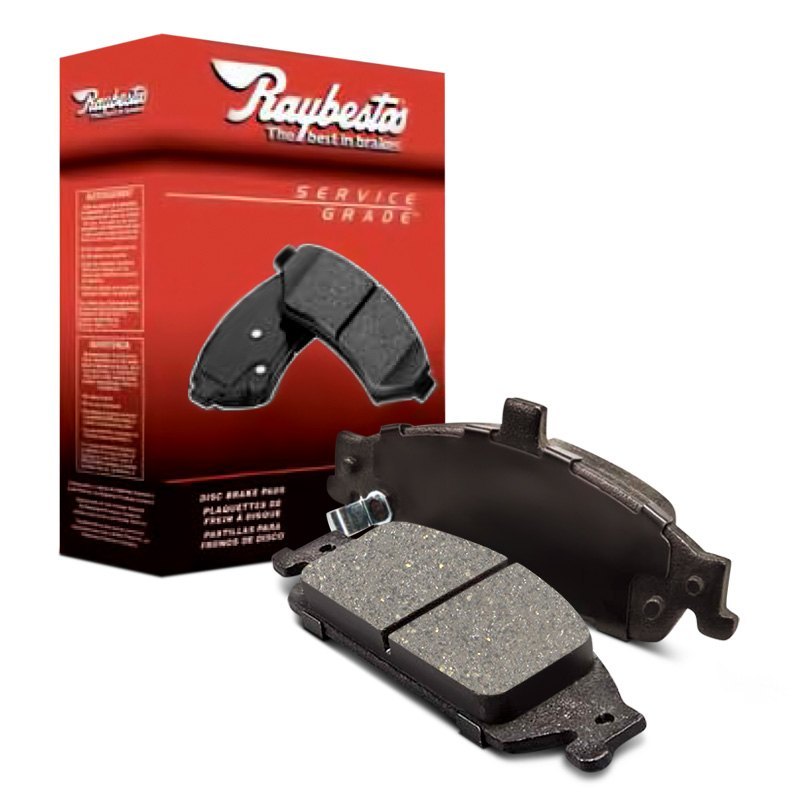

Part Number : SGD505MProduct Line : RaybestosPart Description : Disc Brake Pad SetMaterial : MetallicPad Assembly Thickness, Inner Overall : 4.902 mmPad Assembly Thickness, Outer Overall : 4.902 mmPlate Height, Inner : 67.564 mmPlate Height, Outer : more information
+
Earn loyalty points with this purchase
RewardsPart Number : SGD505M
Product Line : Raybestos
Part Description : Disc Brake Pad Set
Material : Metallic
Pad Assembly Thickness, Inner Overall : 4.902 mm
Pad Assembly Thickness, Outer Overall : 4.902 mm
Plate Height, Inner : 67.564 mm
Plate Height, Outer : 67.564 mm
Plate Length, Inner : 5.820 mm
Plate Length, Outer : 5.820 mm
Packaged Weight : 2.359 kg
Country of Origin : India
Brake
?WHAT HAPPENS WHEN BRAKE PADS WEAR DOWN
Every time you engage your vehicle"s brakes, you are causing
minute amounts of wear and tear on your brake pad. For each type of brake pads, ceramic, organic, and metallic, this friction causes small amounts of protective coating to wear away from the brake pad, Over time, this deterioration starts to add up: as your brake pads becomes thinner and thinner, they will eventually get to the point where they should be replaced. Here are some signs to look for to know when to replace brake pads:
1 - SQUEALING OR SCREECHING NOISES
Generally, the first indication any driver will notice is a squealing, screeching, or whining noise when the brakes are engaged. This sound is caused by a small, metallic shim indicator that"s embedded in your break pad for just this purpose. When you hear it regularly while braking, it"s likely time to bring your car in to a brake specialist for an inspection. When brakes are exposed to wet, damp conditions, such as after a rain storm, a thin layer of dust can form on the brake pads and cause a very similar screeching sound while braking. If a sound disappears after the first few times you use your brake, that"s a good indicator that it was just a bit of rust built up on the brake pad ant not the brake pad needs to be replaced.
2 - LESS THAN A QUARTER INCH OF BRAKE PAD
You can also visually inspect your brake pads to know if it"s time to have them replaced. Look through your tire spokes and you should see your brake pad compressed against your brake rotor. If the pad is less than 1/4 inch thick(about 3 millimeters) you should consider having your brakes inspected, especially if it"s been a long time since your last inspection.
3 - DEEP METALLIC GRINDING AND GROWLING
If you hear a deep, low noise that sounds like metal grinding or a rumbling growl, that can be a sign that not only are your brake pads worn away, but that your brake discs and calipers are making contact. Since this metal contact can very quickly cause even further damage in your braking system, you should bring your vehicle in to a service shop as quickly as possible if you hear this type of noise.
4- INDICATOR LIGHTS
Some vehicles have an indicator light on the dashboard that will signal when it"s time to replace the brake pads. Check your owner"s manual to see if your vehicle comes equipped with the low-pad warning system. Remember that if the light does come on, you"ll need to have your mechanic replace the light sensors as well as the brake pads.
HOW LONG DO BRAKE PADS LAST?
Brake pads are generally thought to be good from anywhere between 30,000-35,000 miles. However the real answer to how long brake pads can last will vary from vehicle to vehicle and from driver to driver. For example, is you tend to drive the most often in urban areas or in heavy commuter traffic, you"ll be engaging your brakes a lot more frequently than someone who drives in rural locations or on highways. Some people also tend to "ride the brake," meaning they press and depress their brakes more habitually than other drivers, causing the brake pads to wear away more quickly. With a little attention and forethought, it can be easy to know when to replace brake pads on your vehicle.
